Agriculture
SATG’s research and projects aim at a more productive, sustainable agricultural sector in Somalia
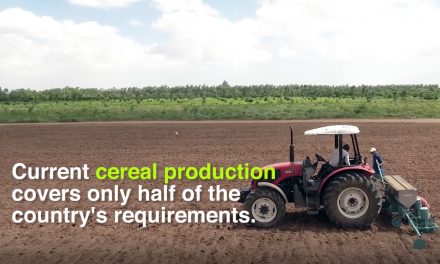
Together, agriculture and livestock form the backbone of the Somali economy. Pre-war figures indicate that 67% of the country’s GDP came from livestock, agriculture and fisheries. Today, however, food insecurity and shortages of staple grains plague Somali households. In the absence of governmental support and services, Somali agriculture has not benefited from new technology, including more productive varieties, and improved methods of production in two decades since the conflict began. While the resilience of Somali agriculture has been remarkable under the circumstances, it is undeniable that better crop varieties and better production techniques could boost yields significantly and help to overcome food insecurity.
Given the importance of agriculture in Somali livelihoods, any reconciliation and rebuilding efforts in Somalia must include plans for agricultural rehabilitation. SATG envisions a huge opportunity whereby agriculture will not only play a crucial role in reconciliation and rebuilding in Somalia but be a key component in the rejuvenated Somali economy. This will go a long way in solving both social and economic problems.
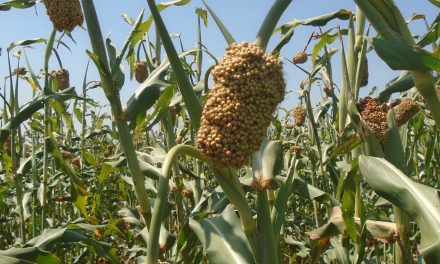
Currently, SATG is working on identifying more productive crop varieties for use in Somalia in its project of improving plant genetic resources in Somalia. SATG has already carried out extensive testing and multiplication of Filsan, a superior variety of mungbean. SATG is also generating new production techniques, including researching the role of phosphorus in raising crop yields, and in improved grain storage methods. You will find more information about the agricultural areas in which SATG works by following the links above.