Livestock

The Somali Livestock Industry: Challenges and Opportunities

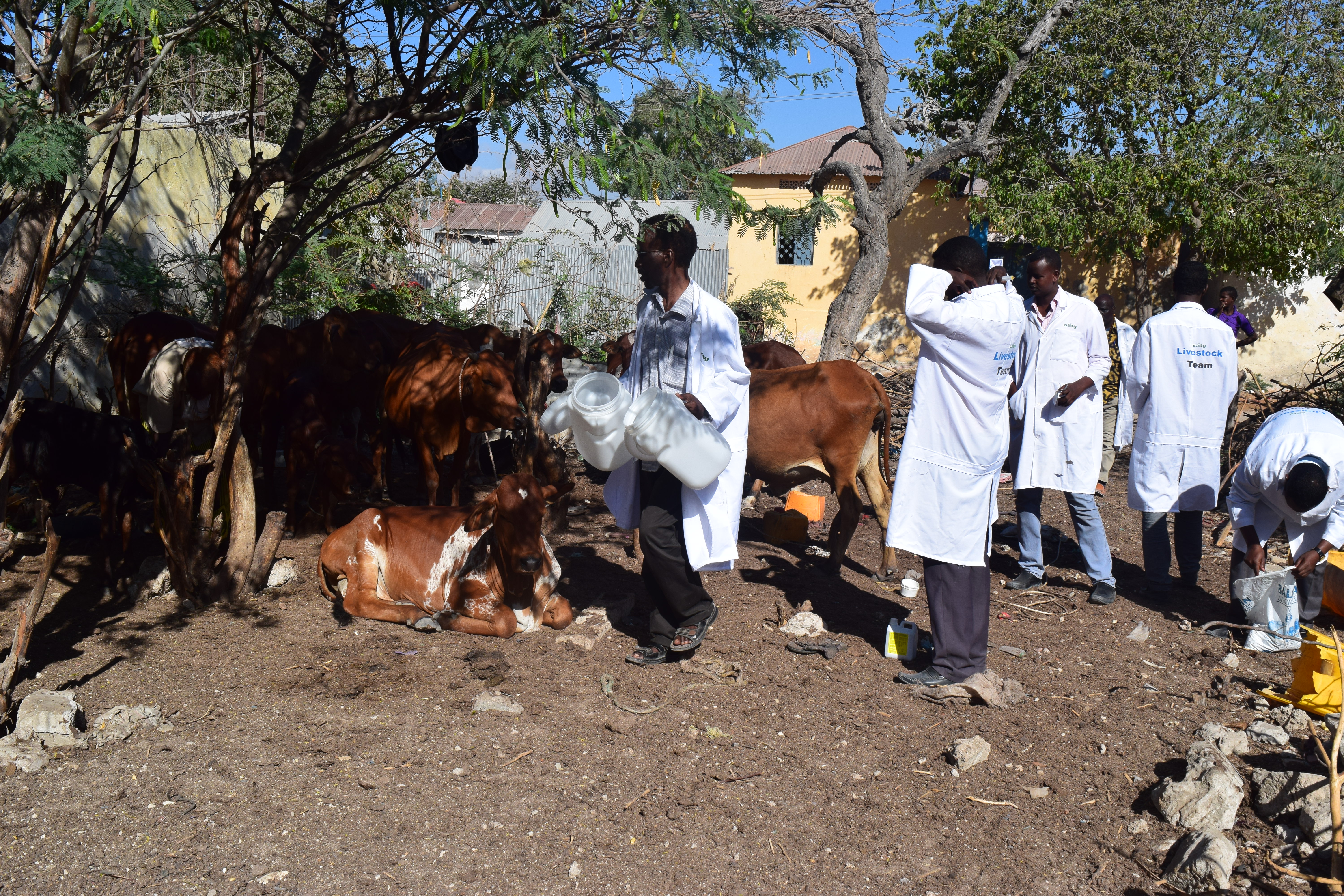
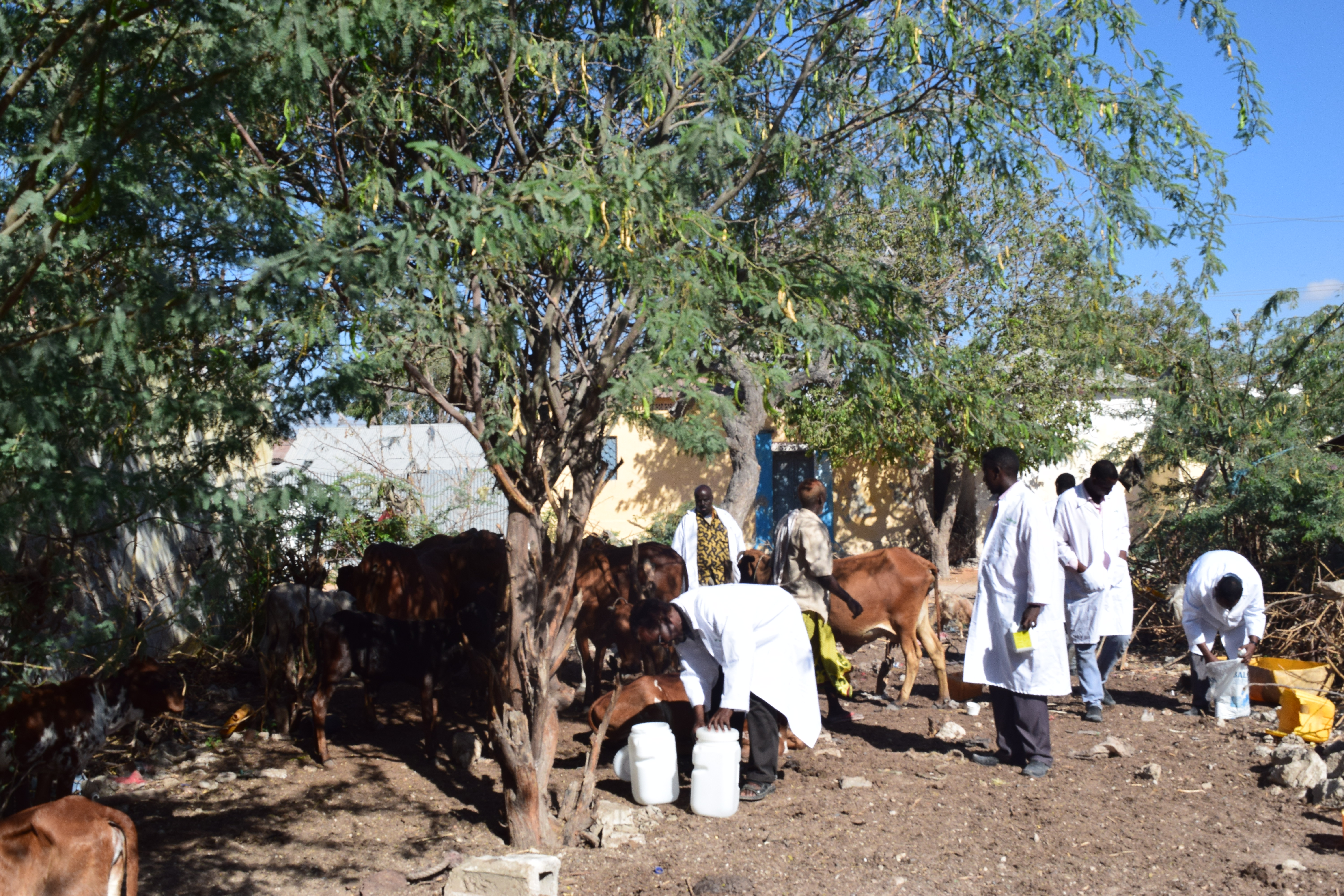
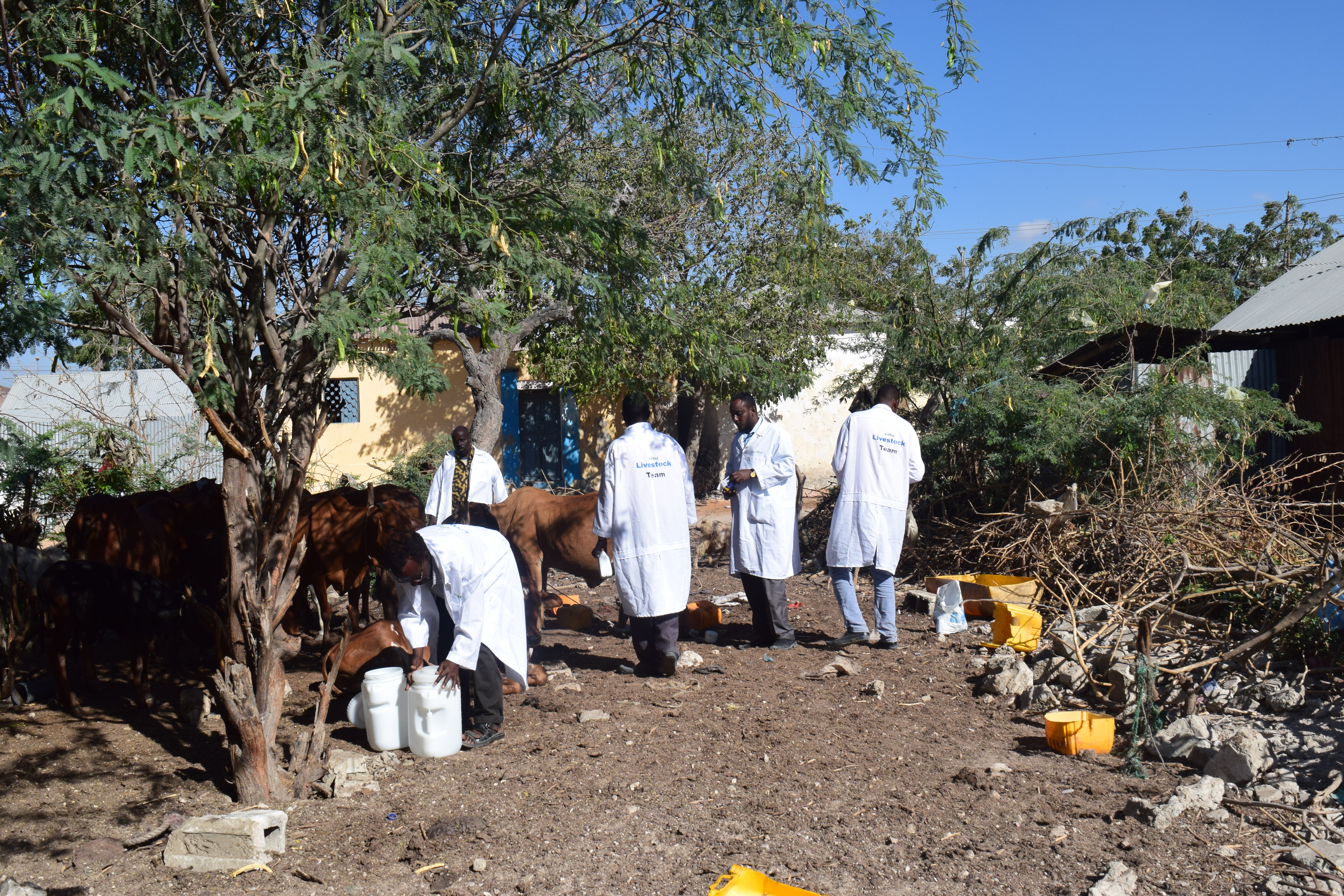
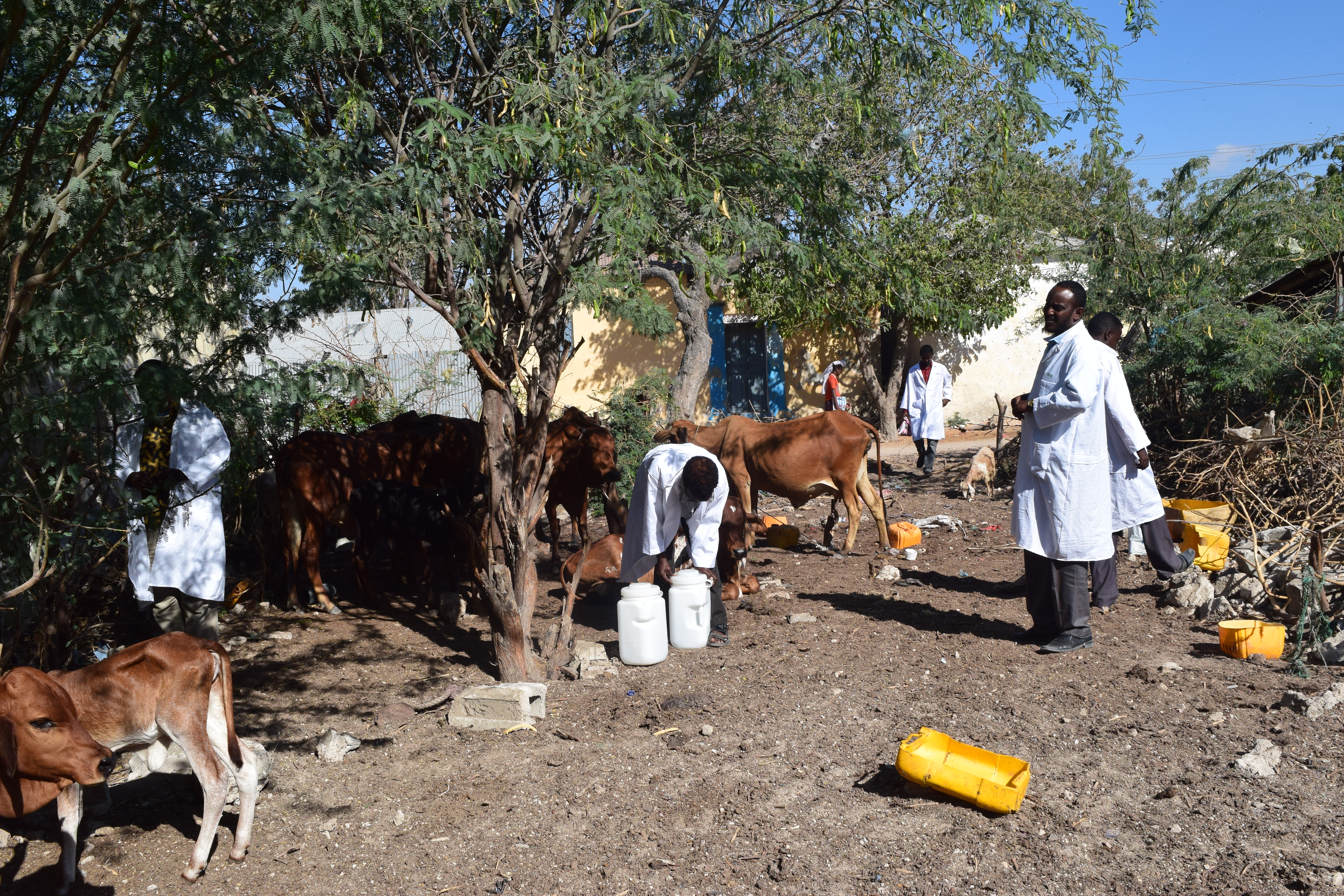
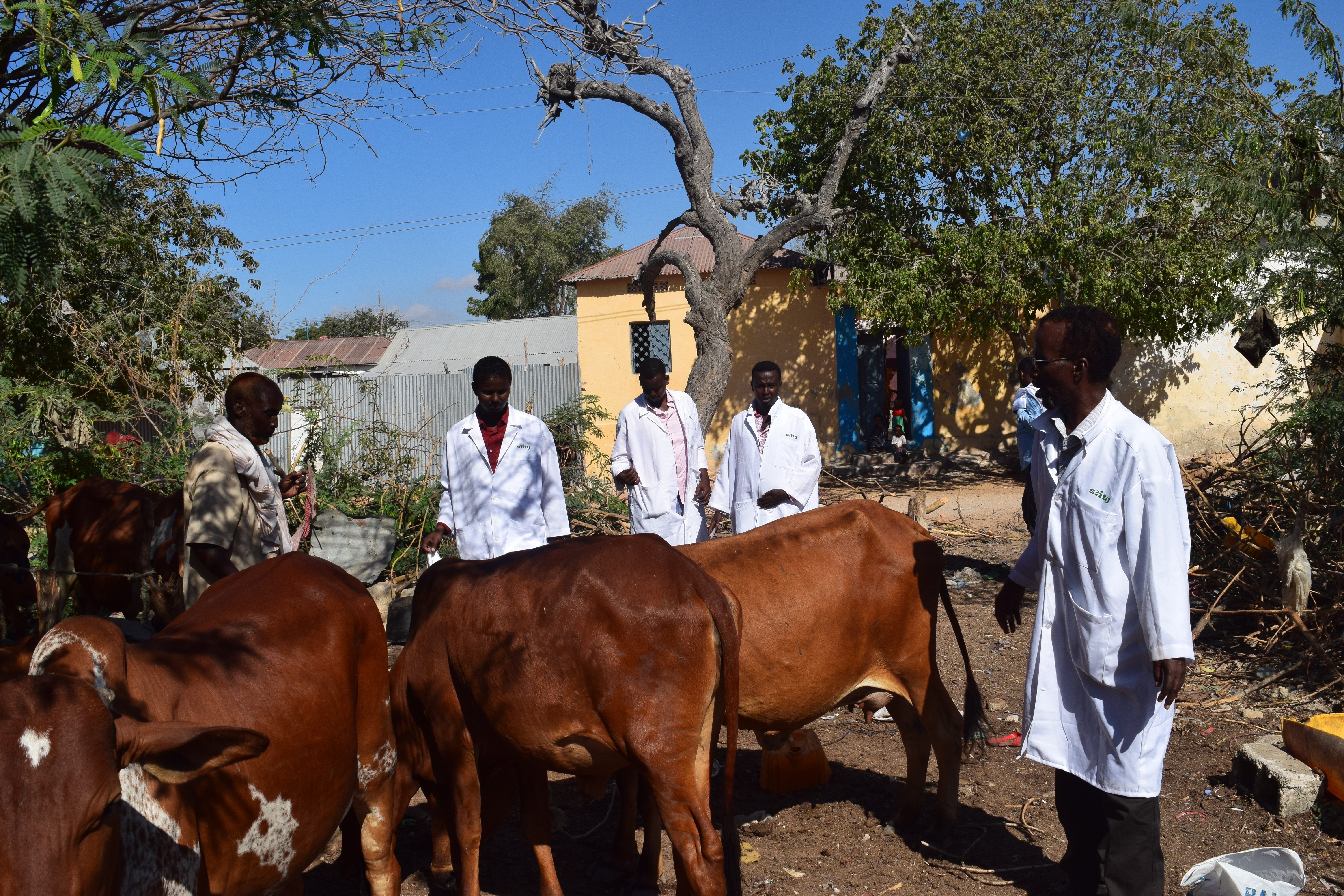
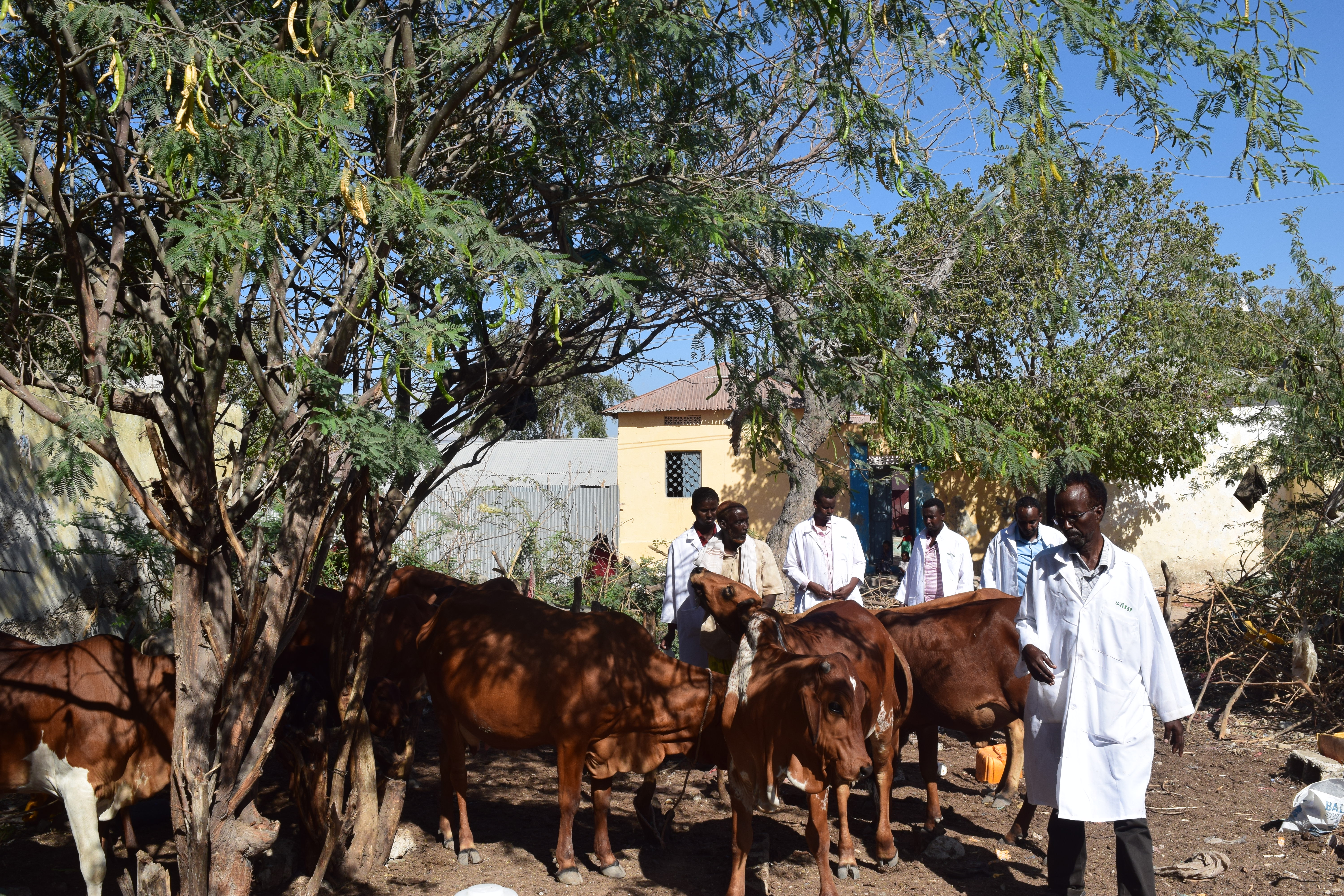
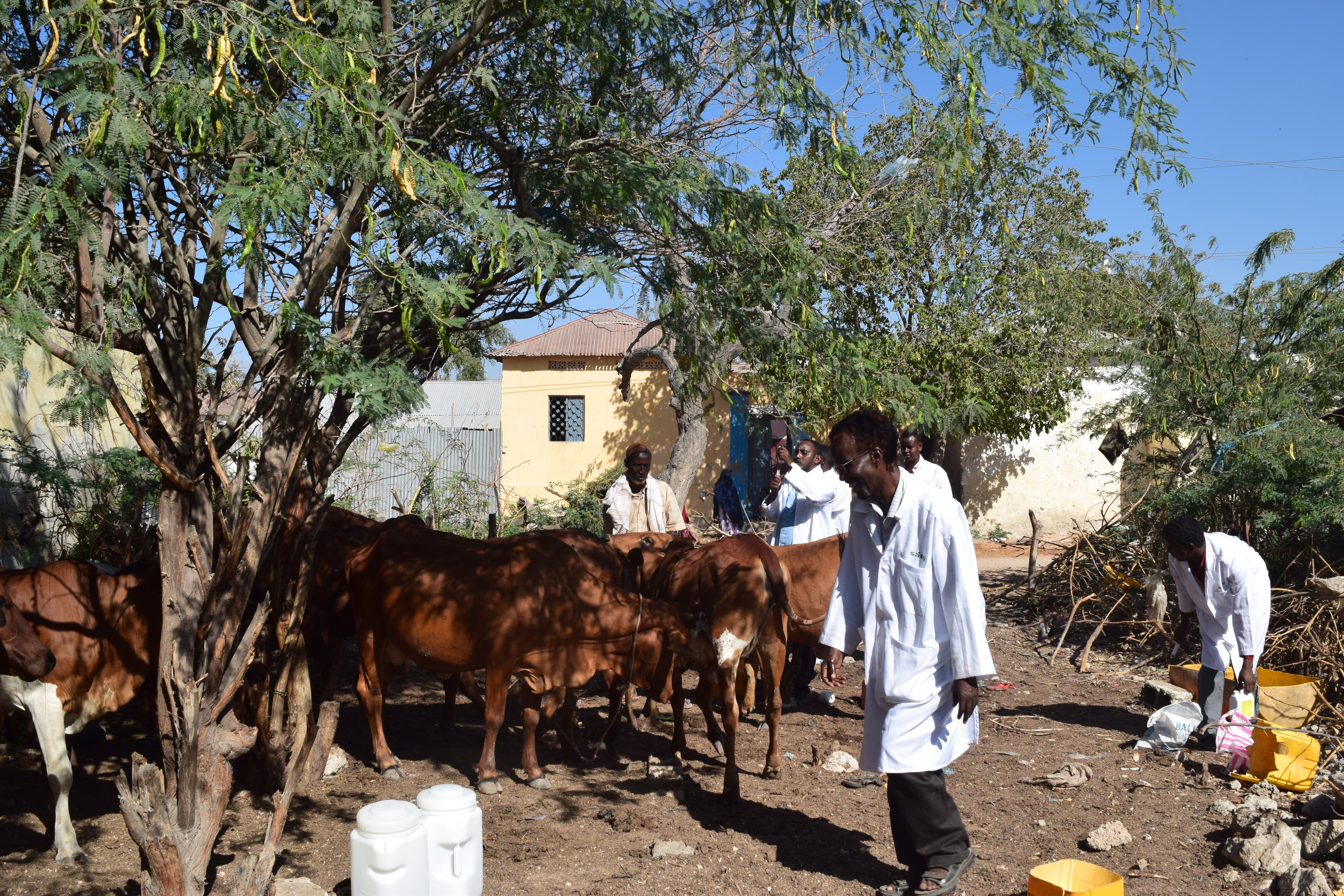
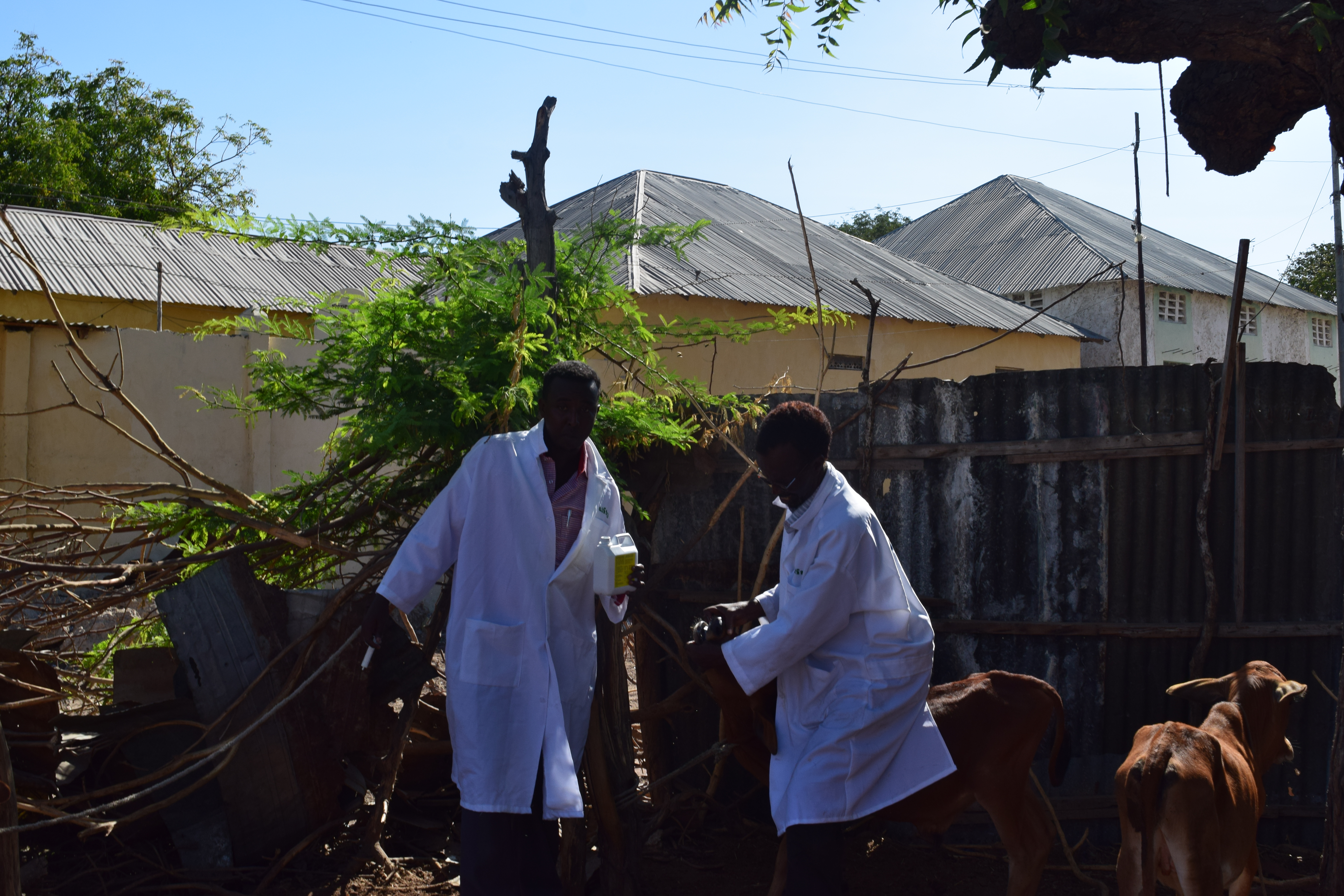
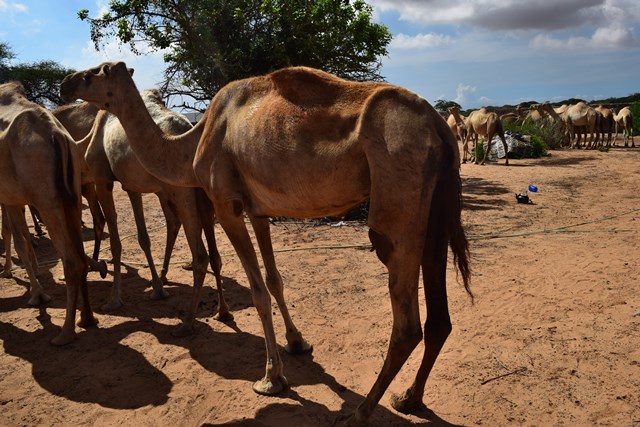
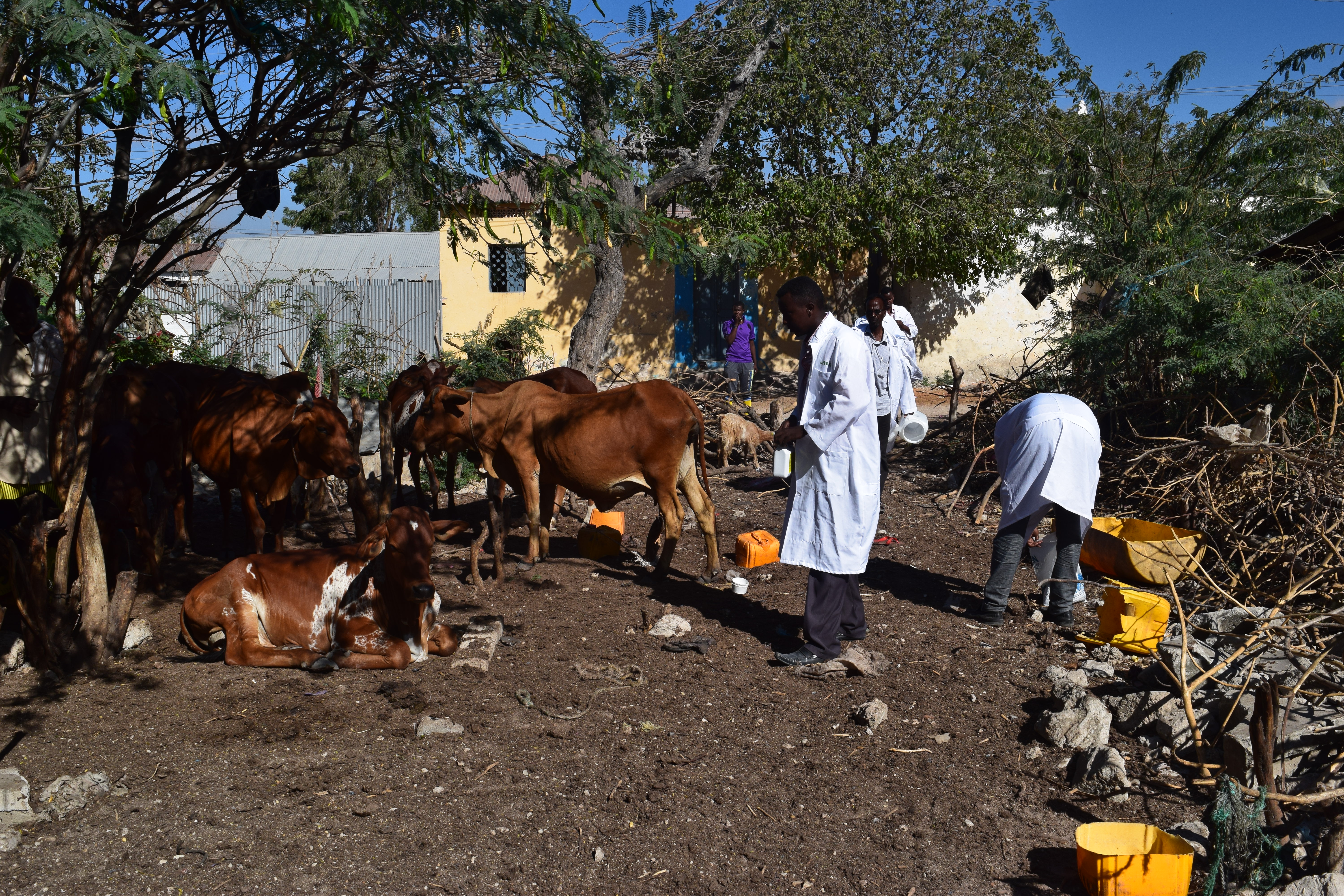
The Somali livestock industry accounts for about 40% of Somalia’s GDP and is the main income earner for most Somali people. In normal years, livestock and its products can account for 80% of total exports. However due to periodic trade embargoes and bans, livestock exports to neighbouring countries and the Gulf States have declined. Despite these setbacks, livestock continues to be Somalia’s largest traded commodity, with the main markets for Somali livestock being on the Arabic peninsula as well as Kenya, Djibouti, and Ethiopia.

Somalia’s geographic location, Islamic culture and traditional rearing techniques puts it at a unique advantage to serve the Middle East with halaal livestock products and supply markets in the West with organic meat produce.

Somali Livestock in the Future

Meat products from Somali livestock are unusually pure, due the traditional rearing techniques practiced in Somalia: livestock in Somalia is reared exclusively in natural rangelands. This practice differs from the intensive livestock production methods of developed countries, where animals are fed a variety of potentially harmful chemicals, including processed feed, supplements, antibiotics, growth promotants, anti-parasitic (helmintic) drugs and many other medicines on a daily basis. Somali meat, being free from the taint of these chemicals, as well as being sourced from animals fed on a diet of non-GM crops, is uniquely suited to supply organic meat to Western and other markets.

In order to promote this outcome, more rigorous certification and marketing of Somali produce is important. The Somali livestock industry should work towards the creation of a unified brand for Somali livestock. There is a lot of opportunity in the organisational and entrepreneurial aspects of the industry. Livestock herders should be encouraged to form co-operatives and partnerships with businessmen and investors to add value to Somali livestock products and to take advantage of economies of scale.


UA-13025426-1